Finding Peace: How Yoga Can Relieve Stress
Table of Contents
1. Introduction to Yoga and Stress Relief
2. Chapter 1: Understanding Stress
3. Chapter 2: The Science Behind Yoga
4. Chapter 3: Yoga Poses for Stress Relief
5. Chapter 4: Incorporating Mindfulness through Yoga
6. Chapter 5: Creating a Stress-Relieving Yoga Routine
7. Chapter 6: Beyond Yoga: Additional Stress Management Techniques
8. Conclusion
Introduction to Yoga and Stress Relief
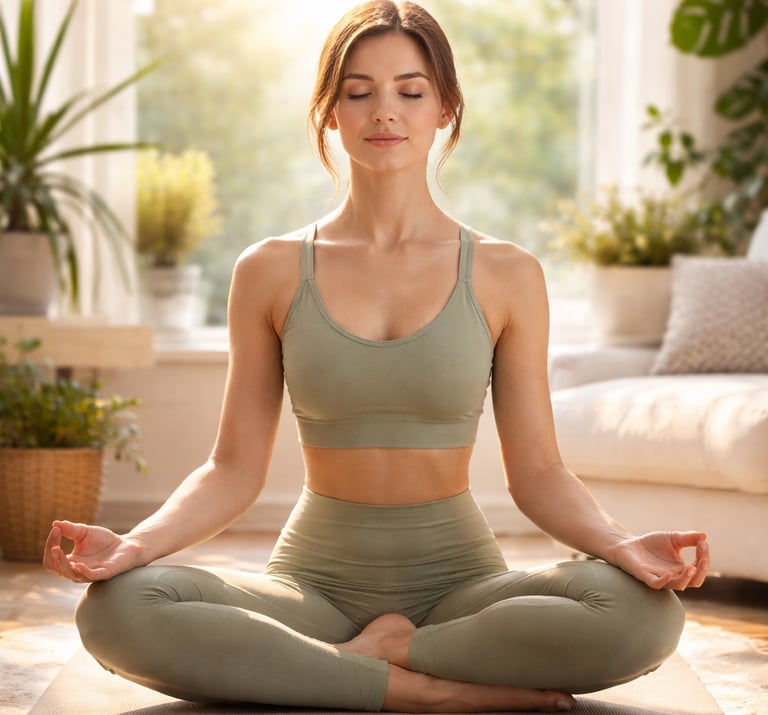
In today’s fast-paced world, stress often feels like a constant companion, lurking in the background of our everyday lives. Yoga, an ancient practice combining physical postures, breathing techniques, and meditation, offers a holistic approach to alleviate this burden. This eBook will explore the relationship between yoga and stress relief, providing you with the knowledge and tools necessary to integrate yoga into your life. By understanding the principles of yoga, its physiological effects, and practical applications, you’ll find a powerful ally in managing stress.
Chapter 1: Understanding Stress
To effectively combat stress, we must first understand what it is and how it affects our bodies and minds. Stress is the body's natural response to perceived threats or challenges, which can lead to physical and emotional symptoms. Chronic stress, if left unaddressed, can result in serious health problems, including anxiety, depression, and cardiovascular diseases.
In this chapter, we will discuss:
- The different types of stress: acute vs. chronic
- Common sources of stress in modern life
- The physical and psychological effects of stress on the body
By gaining insight into these areas, you can better recognize your stress triggers and the importance of finding effective ways to manage them through practices like yoga.
Chapter 2: The Science Behind Yoga
Yoga is more than mere physical exercise; it is a comprehensive approach to mental and emotional well-being. This chapter focuses on the scientific mechanisms by which yoga alleviates stress. Research indicates that yoga enhances the body’s relaxation response, reducing cortisol levels—the primary hormone associated with stress.
Key points include:
- The impact of yoga on the autonomic nervous system
- How regular practice can improve emotional regulation and resilience
- Evidence-based studies showcasing yoga's efficacy in reducing anxiety and depression
Learning about these scientific principles reinforces the idea that yoga is an effective tool for stress management.
Chapter 3: Yoga Poses for Stress Relief
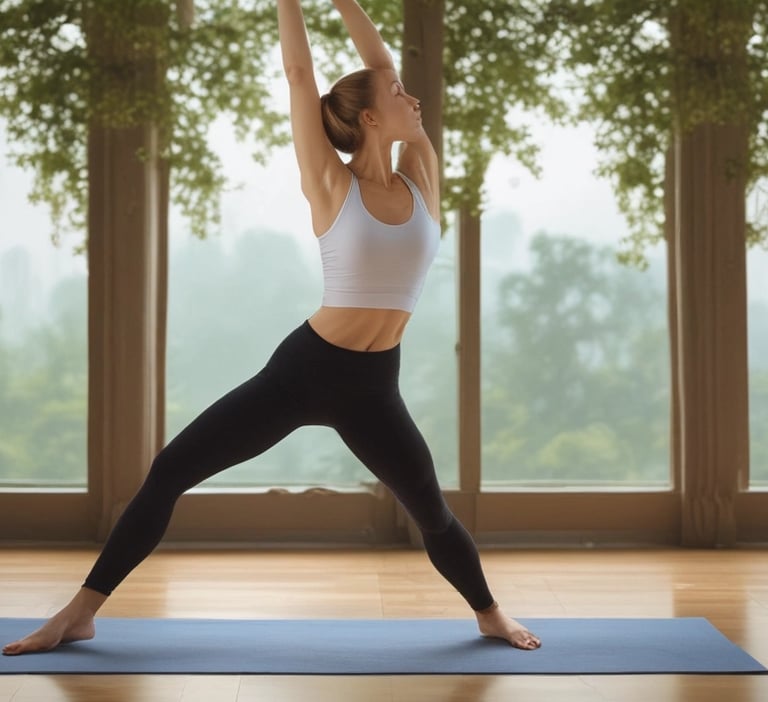
The physical practice of yoga involves various asanas (poses) that promote relaxation and calmness. This chapter provides a detailed overview of specific yoga poses that can be particularly beneficial for stress relief, along with step-by-step instructions for each pose.
Featured poses include:
1. Child’s Pose (Balasana): Encourages relaxation and introspection.
2. Downward Facing Dog (Adho Mukha Svanasana): Helps relieve tension in the back.
3. Legs Up the Wall (Viparita Karani): Calms the nervous system and reduces anxiety.
4. Reclining Bound Angle Pose (Supta Baddha Konasana): Opens the hips and promotes relaxation.
By incorporating these poses into your practice, you can foster a sense of tranquility and ease.
Chapter 4: Incorporating Mindfulness through Yoga
Mindfulness is an integral part of yoga that enhances its effectiveness as a stress-relief tool. This chapter delves into the practice of mindfulness in yoga and how it contributes to stress reduction.
Topics covered include:
- The concept of mindfulness and its benefits
- Techniques to bring mindfulness to your yoga practice
- Breath awareness as a tool for grounding and centering
Through mindful movement and breath, you can cultivate greater body awareness and emotional clarity, leading to reduced stress level
Chapter 5: Creating a Stress-Relieving Yoga Routine
This chapter provides practical guidance on how to create a personalized yoga routine tailored to your needs, focusing on stress relief. You will learn how to assess your current lifestyle, identify your stressors, and design an effective yoga practice that fits into your daily life.
Key components include:
- Setting intentions for your practice
- Scheduling sessions around peak stress times
- Choosing sequences that resonate with your emotional state
Creating a consistent routine will empower you to take control of your stress management
Chapter 6: Beyond Yoga: Additional Stress Management Techniques
Though yoga is a powerful tool for reducing stress, it can be complemented by other techniques that promote relaxation and well-being. This chapter introduces you to additional methods that can enhance your stress relief regimen.
These techniques include:
- Meditation and its various forms
- Breathing exercises (pranayama)
- Journaling for emotional processing
Integrating these practices alongside yoga can lead to a more balanced and holistic approach to managing stress.
Conclusion
Yoga offers a profound and effective means of relieving stress and enhancing overall well-being. By understanding the relationship between stress and yoga, recognizing the scientific principles underpinning the practice, and implementing practical strategies, you can cultivate a toolkit for resilience against stress. This eBook serves as a starting point on your journey to harnessing the power of yoga for stress relief, encouraging you to explore and find what practices resonate most with you.